Imagine managing all your customer relationships from anywhere, anytime, with just a few clicks. That’s the magic of a cloud based CRM app—your sales, support, and marketing teams working in sync, powered by real-time data and seamless collaboration.
What Is a Cloud Based CRM App?

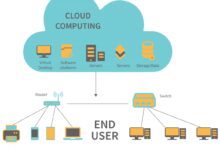
A cloud based CRM app is a customer relationship management system hosted on remote servers and accessed via the internet. Unlike traditional on-premise CRM software, it eliminates the need for local installations, hardware maintenance, and complex IT infrastructure. Instead, businesses can subscribe to a service and access their CRM tools through a web browser or mobile app.
How It Differs from On-Premise CRM
Traditional CRM systems require companies to install software on their own servers, manage updates manually, and invest heavily in IT staff. In contrast, a cloud based CRM app is maintained by the provider, updated automatically, and scaled easily based on business needs.
- On-premise CRM: High upfront costs, limited scalability, full control over data
- Cloud based CRM app: Lower initial investment, rapid deployment, automatic updates, and global accessibility
“The shift to cloud CRM has democratized access to enterprise-grade tools, allowing even small startups to compete with industry giants.” — Gartner Research, 2023
Core Components of a Cloud CRM System
A modern cloud based CRM app typically includes several integrated modules designed to streamline customer interactions across departments.
- Sales Automation: Tracks leads, manages pipelines, automates follow-ups, and forecasts revenue.
- Customer Service & Support: Offers ticketing systems, knowledge bases, and live chat integrations.
- Marketing Automation: Enables email campaigns, lead scoring, and campaign analytics.
- Analytics & Reporting: Provides dashboards, KPI tracking, and AI-driven insights.
These components work together to create a unified view of the customer journey, improving decision-making and personalization.
Top 7 Benefits of Using a Cloud Based CRM App
Adopting a cloud based CRM app isn’t just about keeping up with technology—it’s about gaining a strategic advantage. From cost savings to enhanced collaboration, the benefits are transformative.
1. Cost Efficiency and Predictable Spending
One of the most compelling reasons businesses choose a cloud based CRM app is the reduction in capital expenditure. There’s no need to purchase servers, hire dedicated IT personnel, or pay for software licenses upfront.
- Most providers use a subscription-based pricing model (SaaS), making budgeting easier.
- Operating costs are predictable and often include support, security, and updates.
- Scalability allows companies to pay only for what they use, avoiding over-provisioning.
According to a Forrester study, organizations using Salesforce’s cloud CRM saw a 147% ROI over three years, largely due to reduced IT overhead and increased sales productivity.
2. Accessibility and Remote Work Enablement
In today’s hybrid work environment, having access to customer data from any location is no longer a luxury—it’s a necessity. A cloud based CRM app enables employees to log in from anywhere with an internet connection.
- Sales reps can update deal statuses while traveling.
- Support agents can resolve tickets from home.
- Managers can monitor team performance in real time.
This flexibility has become especially critical since the global shift toward remote work post-2020. Companies using cloud CRM reported a 30% increase in employee productivity, as noted in a McKinsey report.
3. Rapid Deployment and Easy Scalability
Deploying a traditional CRM system could take months. With a cloud based CRM app, setup can be completed in days or even hours.
- Providers offer pre-built templates and onboarding assistance.
- New users can be added with a few clicks.
- Features and storage can be scaled up or down based on demand.
This agility is particularly beneficial for fast-growing startups and seasonal businesses that need to adapt quickly to market changes.
4. Automatic Updates and Continuous Innovation
With on-premise systems, updates require manual intervention, downtime, and testing. In contrast, cloud CRM providers roll out updates seamlessly in the background.
- New features, security patches, and compliance improvements are delivered automatically.
- Users always have access to the latest version without extra effort.
- Providers often incorporate AI, machine learning, and automation into regular updates.
For example, Salesforce releases three major platform updates per year, ensuring customers benefit from cutting-edge innovations like Einstein AI and predictive analytics.
5. Enhanced Data Security and Compliance
Many businesses hesitate to move sensitive customer data to the cloud, fearing security risks. However, reputable cloud based CRM app providers often offer superior security compared to in-house systems.
- Enterprise-grade encryption (both in transit and at rest)
- Multi-factor authentication and role-based access controls
- Regular security audits and certifications (e.g., ISO 27001, SOC 2, GDPR compliance)
Providers like Microsoft Dynamics 365 and HubSpot invest heavily in cybersecurity infrastructure, giving small and medium businesses access to protections previously available only to large enterprises.
6. Seamless Integration with Other Business Tools
A cloud based CRM app doesn’t exist in isolation. It integrates with email platforms, calendars, marketing automation tools, e-commerce systems, and ERP software.
- Sync contacts between Gmail and CRM automatically.
- Connect Shopify or WooCommerce to track customer purchase history.
- Integrate with Zoom or Microsoft Teams for meeting logging and follow-ups.
These integrations eliminate data silos and ensure that every team has a complete picture of the customer. Zapier and API ecosystems further expand integration possibilities across thousands of apps.
7. Real-Time Analytics and Business Intelligence
One of the standout advantages of a cloud based CRM app is its ability to deliver real-time insights. Dashboards update instantly as new data flows in, enabling faster, data-driven decisions.
- Track sales performance by region, rep, or product line.
- Monitor customer satisfaction scores and support ticket resolution times.
- Use AI-powered forecasting to predict churn and identify upsell opportunities.
Tools like Zoho CRM offer AI assistants (Zia) that analyze behavior patterns and recommend next best actions, significantly boosting sales efficiency.
Key Features to Look for in a Cloud Based CRM App
Not all cloud CRM solutions are created equal. To get the most value, businesses should evaluate platforms based on specific features that align with their goals.
User-Friendly Interface and Customization
A cluttered, complex interface can hinder adoption. The best cloud based CRM apps offer intuitive navigation, drag-and-drop customization, and role-specific dashboards.
- Custom fields, workflows, and page layouts allow tailoring to unique business processes.
- Mobile apps should mirror desktop functionality for consistency.
- Dark mode, keyboard shortcuts, and voice commands enhance usability.
High user adoption is directly linked to ease of use—companies with intuitive CRMs report 50% higher engagement rates among staff.
Automation and Workflow Management
Manual data entry and repetitive tasks eat up valuable time. Automation is a cornerstone feature of any effective cloud based CRM app.
- Automate lead assignment based on territory or workload.
- Trigger follow-up emails after a demo call.
- Schedule social media posts or reminders for contract renewals.
Advanced workflow engines allow conditional logic (e.g., “If lead score > 80, assign to senior sales rep”), reducing human error and increasing efficiency.
AI and Predictive Capabilities
The future of CRM lies in artificial intelligence. Leading cloud based CRM apps now include AI tools that learn from data patterns and make intelligent suggestions.
- Predictive lead scoring ranks prospects based on likelihood to convert.
- Sentiment analysis detects customer emotions in emails or chat logs.
- Next-best-action recommendations guide reps on when to call or what offer to present.
According to a 2023 IBM study, companies using AI-enhanced CRM saw a 40% improvement in customer retention and a 25% increase in cross-sell success rates.
Top Cloud Based CRM Apps in 2024
The market is flooded with options, but a few stand out due to their robust features, reliability, and user satisfaction.
Salesforce Sales Cloud
Salesforce remains the gold standard in cloud CRM. Its Sales Cloud offers comprehensive tools for lead and opportunity management, forecasting, and collaboration.
- Highly customizable with AppExchange ecosystem (thousands of third-party apps)
- Strong AI capabilities via Einstein Analytics
- Excellent for mid-sized to large enterprises
While powerful, it can be complex and costly for small businesses. Implementation often requires training or consultants.
HubSpot CRM
HubSpot offers a free tier that’s incredibly popular among startups and small businesses. Its cloud based CRM app is known for simplicity and seamless integration with marketing tools.
- Free plan includes contact management, email tracking, and deal pipelines
- Paid tiers add automation, reporting, and customer service features
- User-friendly interface with excellent onboarding resources
HubSpot’s strength lies in its all-in-one inbound marketing platform, making it ideal for growth-focused teams.
Microsoft Dynamics 365
For organizations already using Microsoft 365, Dynamics 365 provides deep integration with Outlook, Teams, and Excel.
- Tight synchronization with Office apps improves productivity
- Strong ERP and finance integrations for enterprise use
- Flexible licensing models
It’s a powerful choice for companies seeking a unified business management suite, though it may require more technical expertise to configure.
How to Choose the Right Cloud Based CRM App for Your Business
Selecting the right cloud based CRM app requires careful evaluation of your business size, industry, goals, and budget.
Assess Your Business Needs
Start by identifying your pain points. Are you struggling with lead tracking? Poor customer service response times? Inefficient marketing campaigns?
- Small businesses may prioritize ease of use and affordability.
- Mid-market companies might need automation and integration capabilities.
- Enterprises require scalability, security, and advanced analytics.
Conduct interviews with sales, marketing, and support teams to gather requirements before shortlisting vendors.
Evaluate Total Cost of Ownership (TCO)
While cloud CRM has lower upfront costs, long-term expenses can add up. Consider:
- Subscription fees per user per month
- Costs for premium features or add-ons
- Training, implementation, and customization services
- Potential costs for data migration
Some providers offer bundled pricing, while others charge à la carte. Always request a detailed quote and calculate TCO over 3–5 years.
Check Integration and API Availability
A CRM is only as good as its ability to connect with other tools. Ensure the platform supports integrations with your existing tech stack.
- Email platforms (Gmail, Outlook)
- Marketing tools (Mailchimp, ActiveCampaign)
- Phone systems (RingCentral, Aircall)
- E-commerce platforms (Shopify, Magento)
Look for platforms with open APIs and pre-built connectors. Zapier or Make.com compatibility can extend integration reach significantly.
Implementation Best Practices for Cloud Based CRM Apps
Even the best cloud based CRM app will fail if not implemented correctly. Follow these best practices to ensure success.
Plan and Prepare Before Launch
Define clear objectives: What do you want to achieve? Improved sales conversion? Faster support resolution? Better lead nurturing?
- Form a cross-functional implementation team.
- Map current processes and identify areas for improvement.
- Set up data governance policies (who owns data, how it’s cleaned).
Proper planning reduces resistance and sets the stage for smooth adoption.
Data Migration and Cleansing
Moving data from spreadsheets or legacy systems into a new CRM is a critical step. Poor data quality leads to inaccurate reports and frustrated users.
- Remove duplicates, outdated entries, and incomplete records.
- Standardize formats (e.g., phone numbers, addresses).
- Use CSV imports or automated migration tools provided by the vendor.
Many CRM providers offer data migration services or partner with specialists to ensure a clean transition.
Training and Change Management
User adoption is the biggest challenge in CRM implementation. Even the most powerful cloud based CRM app is useless if employees don’t use it.
- Provide hands-on training sessions tailored to different roles.
- Create quick-reference guides and video tutorials.
- Appoint internal champions to encourage usage and answer questions.
According to Nucleus Research, companies that invest in CRM training see 150% higher ROI than those that don’t.
Future Trends Shaping Cloud Based CRM Apps
The CRM landscape is evolving rapidly, driven by advancements in AI, mobile technology, and customer expectations.
AI-Powered Personalization at Scale
Future cloud based CRM apps will leverage AI to deliver hyper-personalized experiences. Imagine a system that knows a customer’s preferences, past purchases, and browsing behavior—and automatically suggests the perfect product or service.
- Dynamic content in emails based on real-time behavior
- Chatbots that understand context and escalate to humans when needed
- Automated sentiment analysis to detect dissatisfaction early
This level of personalization will become the norm, not the exception.
Mobile-First CRM Experiences
As more sales and service interactions happen on mobile devices, CRM platforms are shifting toward mobile-first design.
- Offline access to customer records
- Voice-to-text note-taking during client meetings
- GPS-based territory management for field sales teams
Mobile CRM apps will become indispensable tools for on-the-go professionals.
Embedded Analytics and Real-Time Collaboration
The next generation of cloud based CRM apps will integrate analytics directly into workflows, enabling instant decision-making.
- Live dashboards embedded in sales calls
- Collaborative deal rooms where teams discuss opportunities in real time
- AI-generated summaries of customer interactions after each call
These features will blur the lines between data analysis and action, making CRM systems proactive rather than reactive.
What is a cloud based CRM app?
A cloud based CRM app is a software solution hosted on remote servers that helps businesses manage customer interactions, sales pipelines, marketing campaigns, and support tickets through an internet-connected interface. It eliminates the need for local installations and offers anytime, anywhere access.
Is a cloud CRM secure?
Yes, reputable cloud based CRM app providers implement advanced security measures such as encryption, multi-factor authentication, and regular audits. In many cases, they offer better security than on-premise systems, especially for small businesses without dedicated IT teams.
How much does a cloud CRM cost?
Costs vary by provider and features. Many offer free tiers (e.g., HubSpot CRM), while paid plans range from $10 to $300 per user per month. Enterprise solutions may require custom pricing based on scale and integration needs.
Can I integrate my cloud CRM with other tools?
Absolutely. Most cloud based CRM apps support integrations with email, calendars, marketing automation, e-commerce, and phone systems via native connectors or APIs. Platforms like Zapier expand integration possibilities to thousands of apps.
What industries benefit most from cloud CRM?
Virtually all industries can benefit, but it’s especially valuable for sales-driven sectors (real estate, SaaS, retail), service-based businesses (consulting, healthcare), and e-commerce companies that need centralized customer data.
Adopting a cloud based CRM app is no longer just a technological upgrade—it’s a strategic imperative. From reducing costs and boosting productivity to enabling remote work and delivering personalized customer experiences, the advantages are clear and measurable. As AI, mobile access, and real-time analytics continue to evolve, the future of CRM will be smarter, faster, and more intuitive than ever. The key is to choose the right platform, implement it thoughtfully, and empower your team to use it effectively. Whether you’re a startup or a global enterprise, a well-chosen cloud based CRM app can transform how you engage with customers and grow your business.
Further Reading:
