In today’s hyper-connected world, businesses can’t afford to communicate blindly. CRM based communication is the game-changer—turning random messages into meaningful, personalized conversations that drive loyalty and revenue.
What Is CRM Based Communication and Why It Matters

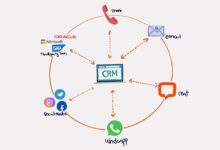
At its core, CRM based communication refers to the strategic use of Customer Relationship Management (CRM) systems to deliver timely, relevant, and personalized interactions across various customer touchpoints. It’s not just about sending emails or making calls—it’s about leveraging data to make every interaction count.
The Evolution from Generic to Personalized Messaging
Years ago, businesses relied on mass communication—blast emails, cold calls, and one-size-fits-all campaigns. Today, that approach feels outdated and often ignored. With CRM based communication, companies shift from broadcasting to engaging. By analyzing customer behavior, purchase history, and preferences, businesses can tailor their messaging with surgical precision.
- Mass marketing treats all customers the same.
- CRM based communication segments audiences dynamically.
- Personalization increases open rates, click-throughs, and conversions.
“Personalization is no longer a luxury—it’s an expectation.” — McKinsey & Company
How CRM Systems Power Smarter Communication
Modern CRM platforms like Salesforce, HubSpot, and Zoho CRM collect and organize vast amounts of customer data. This data becomes the backbone of intelligent communication strategies. From tracking support tickets to monitoring email engagement, CRM systems provide a 360-degree view of the customer journey.
- Automated workflows trigger messages based on user actions.
- Real-time analytics help refine messaging strategies.
- Integration with email, social media, and chat platforms ensures omnichannel reach.
The Key Components of Effective CRM Based Communication
To harness the full power of CRM based communication, businesses must understand and implement its core components. These elements work together to create a seamless, data-driven communication ecosystem that nurtures relationships and drives results.
Customer Data Collection and Segmentation
The foundation of any CRM based communication strategy is accurate and comprehensive data. This includes demographic information, purchase history, website behavior, support interactions, and engagement metrics. Once collected, this data is segmented into meaningful groups—such as high-value customers, at-risk accounts, or first-time buyers.
- Behavioral segmentation: based on user actions (e.g., cart abandonment).
- Firmographic segmentation: for B2B (e.g., company size, industry).
- Psychographic segmentation: based on interests, values, and lifestyle.
Effective segmentation allows for hyper-targeted messaging. For example, a customer who browsed winter jackets but didn’t buy might receive a personalized discount on outerwear—sent via email or retargeting ads.
Automated Workflows and Triggered Messaging
One of the most powerful features of CRM based communication is automation. Automated workflows allow businesses to send the right message at the right time—without manual intervention. These are often triggered by specific customer actions.
- Welcome emails after sign-up.
- Follow-up messages after a support ticket is closed.
- Re-engagement campaigns for inactive users.
According to a study by Campaign Monitor, automated emails generate 320% more revenue than non-automated ones. This is because they are timely, relevant, and context-aware.
Multi-Channel Integration
Customers don’t interact on just one platform—they move between email, social media, live chat, SMS, and phone calls. CRM based communication thrives when it integrates across all these channels, ensuring consistency and continuity.
- Unified customer profiles prevent disjointed experiences.
- Messages can be synchronized across platforms (e.g., a chat follow-up via email).
- Teams can collaborate using shared CRM data.
For instance, if a customer chats with support about a product issue, the CRM logs it. Later, a personalized email with troubleshooting tips can be sent automatically—reinforcing care and attention.
Benefits of CRM Based Communication for Businesses
Implementing CRM based communication isn’t just a tech upgrade—it’s a strategic shift that delivers measurable business outcomes. From boosting sales to improving customer satisfaction, the advantages are both broad and deep.
Enhanced Customer Personalization
Personalization is the cornerstone of modern marketing. CRM based communication enables businesses to move beyond using a customer’s first name in an email. It allows for dynamic content, product recommendations, and timing based on individual behavior.
- Personalized subject lines increase open rates by 26% (HubSpot).
- Product recommendations drive 31% of e-commerce revenue (Barilliance).
- Timing emails based on user time zones improves engagement.
For example, Netflix uses CRM-like systems to recommend shows based on viewing history—keeping users engaged and reducing churn.
Improved Customer Retention and Loyalty
Acquiring a new customer can cost five times more than retaining an existing one (Harvard Business Review). CRM based communication helps nurture long-term relationships by staying relevant and helpful throughout the customer lifecycle.
- Automated loyalty program updates keep customers engaged.
- Birthday or anniversary messages create emotional connections.
- Proactive support reduces frustration and increases trust.
Companies like Amazon use CRM data to anticipate needs—offering restock reminders or suggesting complementary products—making customers feel understood and valued.
Increased Sales and Conversion Rates
CRM based communication doesn’t just support marketing—it directly fuels sales. By aligning messaging with the buyer’s journey, businesses can guide prospects from awareness to purchase more effectively.
- Lead scoring identifies high-intent customers for immediate follow-up.
- Drip campaigns nurture cold leads over time.
- Cross-selling and upselling are triggered by past purchases.
A study by Nucleus Research found that CRM systems deliver an average return of $8.71 for every dollar spent—largely due to improved sales efficiency and conversion rates.
Top CRM Platforms That Enable Powerful Communication
Not all CRM systems are created equal when it comes to communication capabilities. Some are built for sales tracking, while others excel in marketing automation and customer engagement. Here are the top platforms that empower CRM based communication.
Salesforce: The Enterprise Powerhouse
Salesforce is the world’s leading CRM platform, known for its scalability and robust communication tools. Its Marketing Cloud and Service Cloud modules enable businesses to orchestrate personalized campaigns across email, mobile, social, and web.
- AI-powered Einstein Engagement uses predictive analytics to optimize send times.
- Journey Builder allows for complex, multi-channel customer journeys.
- Integration with Slack and MuleSoft enhances collaboration and data flow.
Salesforce is ideal for large organizations needing deep customization and enterprise-grade security. Learn more at salesforce.com.
HubSpot: The All-in-One Growth Platform
HubSpot combines CRM, marketing, sales, and service tools in one intuitive platform. It’s especially popular among SMEs for its ease of use and powerful automation features.
- Free CRM with unlimited users and contacts.
- Drag-and-drop email builder with personalization tokens.
- Workflow automation for lead nurturing and customer onboarding.
HubSpot’s strength lies in its seamless integration between departments. Marketing can create campaigns, sales can track interactions, and service can resolve issues—all within the same system. Explore it at hubspot.com.
Zoho CRM: The Cost-Effective Innovator
Zoho CRM offers a powerful suite of communication tools at a fraction of the cost of competitors. It’s particularly strong in AI-driven insights and workflow automation.
- Zia AI assistant predicts deal closures and suggests next steps.
- Blueprint enforces sales processes and communication timelines.
- Multi-channel communication via email, phone, and social media.
Zoho is perfect for growing businesses that want advanced features without a hefty price tag. Visit zoho.com/crm to learn more.
How to Implement CRM Based Communication in 5 Steps
Adopting CRM based communication doesn’t have to be overwhelming. With a structured approach, businesses can integrate it smoothly and start seeing results quickly.
Step 1: Define Your Communication Goals
Before selecting a CRM or building workflows, clarify what you want to achieve. Is it higher customer retention? Faster response times? More conversions? Clear goals will guide your strategy and tool selection.
- Set SMART goals (Specific, Measurable, Achievable, Relevant, Time-bound).
- Align communication goals with overall business objectives.
- Identify KPIs like open rates, response times, and conversion rates.
For example, a goal might be: “Increase email re-engagement rate by 25% in 90 days using automated CRM workflows.”
Step 2: Choose the Right CRM Platform
Not every CRM fits every business. Evaluate platforms based on your size, industry, budget, and communication needs. Consider factors like ease of use, integration capabilities, and scalability.
- Small businesses: HubSpot or Zoho CRM.
- Mid-sized companies: Microsoft Dynamics 365 or Freshsales.
- Enterprises: Salesforce or Oracle CX.
Take advantage of free trials and demos to test usability and feature alignment.
Step 3: Clean and Organize Your Customer Data
Garbage in, garbage out. If your CRM is filled with outdated or duplicate data, your communication will suffer. Start by auditing your existing customer database.
- Remove duplicates and incomplete records.
- Standardize data formats (e.g., phone numbers, addresses).
- Enrich profiles with behavioral and demographic data.
Many CRMs offer data cleansing tools or integrations with third-party enrichment services like Clearbit or Hunter.
Step 4: Design Communication Workflows
Map out key customer journeys and design automated workflows for each. Focus on high-impact touchpoints like onboarding, support follow-ups, and re-engagement.
- Create a welcome series for new sign-ups.
- Build a win-back campaign for inactive users.
- Set up service recovery messages after negative feedback.
Use visual workflow builders (available in most CRMs) to design logic-based sequences that adapt to user behavior.
Step 5: Monitor, Test, and Optimize
CRM based communication is not a “set and forget” system. Continuously monitor performance and run A/B tests to improve results.
- Track metrics like open rates, click-through rates, and conversion rates.
- Test subject lines, send times, and content formats.
- Use CRM analytics to identify bottlenecks and opportunities.
Optimization is an ongoing process. The more you refine your communication, the better your results will be.
Common Challenges in CRM Based Communication and How to Overcome Them
Despite its benefits, implementing CRM based communication comes with challenges. Recognizing these early allows businesses to plan and mitigate risks effectively.
Data Privacy and Compliance Issues
With regulations like GDPR and CCPA, businesses must handle customer data responsibly. Sending unsolicited messages or storing data improperly can lead to fines and reputational damage.
- Obtain explicit consent before sending communications.
- Provide easy opt-out options in every message.
- Encrypt sensitive data and conduct regular compliance audits.
CRMs like HubSpot and Salesforce offer built-in compliance tools to help manage consent and data access requests.
Integration Complexity
Many businesses use multiple tools—email platforms, e-commerce systems, help desks. Getting them to work seamlessly with a CRM can be technically challenging.
- Choose CRMs with native integrations (e.g., Shopify, WordPress, Gmail).
- Use middleware like Zapier or Make (formerly Integromat) for custom connections.
- Work with IT or consultants to ensure smooth data flow.
Proper integration ensures that customer data is synchronized across platforms, preventing silos and inconsistencies.
Over-Automation and Loss of Human Touch
While automation is powerful, over-reliance can make communication feel robotic and impersonal. Customers still value human interaction, especially in complex or emotional situations.
- Use automation for routine tasks (e.g., order confirmations).
- Escalate sensitive issues to human agents.
- Allow customers to switch between automated and live support.
The goal is balance—using CRM based communication to enhance, not replace, human connection.
Future Trends in CRM Based Communication
The world of CRM based communication is evolving rapidly, driven by advances in AI, data analytics, and customer expectations. Staying ahead of these trends ensures long-term relevance and competitiveness.
AI-Powered Predictive Communication
Artificial Intelligence is transforming CRM from reactive to proactive. AI can predict when a customer is likely to churn, what product they might buy next, or the best time to send a message.
- Salesforce Einstein and HubSpot AI offer predictive lead scoring.
- Chatbots use natural language processing to handle inquiries 24/7.
- AI analyzes sentiment in customer messages to guide responses.
In the near future, CRM systems may initiate conversations before the customer even reaches out—anticipating needs with uncanny accuracy.
Hyper-Personalization with Real-Time Data
Personalization will go beyond using a name or past purchase. Future CRM systems will leverage real-time data—like current location, weather, or browsing session—to deliver context-aware messages.
- A retail app sends a discount when a customer walks near a store.
- A travel company offers last-minute deals based on search behavior.
- Service teams receive live updates on customer mood during calls.
This level of personalization makes communication feel intuitive and effortless.
Integration with Emerging Channels
As new communication platforms emerge—like WhatsApp Business, TikTok, or voice assistants—CRM systems must adapt. The future of CRM based communication includes seamless support across all digital and voice channels.
- WhatsApp integration for order updates and support.
- Voice CRM for hands-free customer service.
- Social listening tools that feed into CRM profiles.
Businesses that embrace these channels early will gain a competitive edge in customer engagement.
What is CRM based communication?
CRM based communication is the use of Customer Relationship Management systems to deliver personalized, timely, and relevant messages across customer touchpoints by leveraging data and automation.
How does CRM improve customer communication?
CRM improves communication by centralizing customer data, enabling segmentation, automating workflows, and supporting multi-channel engagement—all leading to more relevant and effective interactions.
Which CRM is best for communication?
The best CRM for communication depends on your needs. HubSpot is great for SMEs, Salesforce for enterprises, and Zoho CRM for cost-effective scalability.
Can CRM based communication increase sales?
Yes. By nurturing leads, personalizing offers, and improving follow-up efficiency, CRM based communication significantly boosts conversion rates and revenue.
Is CRM communication compliant with data privacy laws?
Yes, as long as businesses obtain consent, allow opt-outs, and follow regulations like GDPR and CCPA. Most modern CRMs include compliance features to help.
CRM based communication is no longer optional—it’s essential for any business that wants to build lasting customer relationships. By leveraging data, automation, and multi-channel integration, companies can move from generic messaging to meaningful engagement. The future belongs to those who communicate not just frequently, but intelligently. With the right strategy and tools, CRM based communication can transform customer experience, drive loyalty, and fuel sustainable growth.
Further Reading:
