Crm based platform: 5 Ultimate CRM Based Platform Solutions for Explosive Growth

In today’s hyper-connected business world, a powerful CRM based platform isn’t just a tool—it’s your strategic command center. From boosting customer retention to streamlining sales pipelines, the right system can transform how you grow and scale.
What Is a CRM Based Platform? A Modern Business Backbone

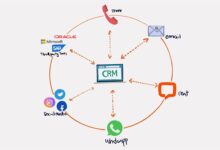
A CRM based platform is more than just a digital Rolodex. It’s a centralized system designed to manage all your company’s interactions with current and potential customers. By integrating data from sales, marketing, customer service, and support, it provides a 360-degree view of the customer journey.
Core Definition and Evolution
The term CRM, or Customer Relationship Management, has evolved significantly since its inception in the 1980s as simple contact management software. Today, a CRM based platform leverages cloud computing, artificial intelligence, and automation to deliver real-time insights and predictive analytics.
- Originally focused on contact storage and lead tracking
- Now includes AI-driven forecasting, omnichannel engagement, and workflow automation
- Modern platforms are scalable, mobile-friendly, and API-integrated
“CRM is no longer just about managing relationships—it’s about predicting them.” — Forbes Insights, 2023
How CRM Platforms Differ from Traditional Software
Unlike legacy systems that operate in silos, a CRM based platform breaks down departmental barriers. It connects marketing campaigns directly to sales outcomes and support tickets to customer satisfaction metrics.
- Real-time data synchronization across teams
- Cloud-native architecture enables remote access and collaboration
- Customizable dashboards provide role-specific insights
For example, while traditional databases store information passively, a CRM based platform actively uses that data to trigger follow-ups, assign tasks, and recommend next steps. This proactive functionality is what sets modern CRM systems apart.
Top 5 Benefits of Using a CRM Based Platform
Implementing a CRM based platform can yield measurable improvements across your organization. From sales efficiency to customer loyalty, the advantages are both strategic and operational.
1. Enhanced Customer Insights and Personalization
One of the most powerful features of a CRM based platform is its ability to aggregate customer data from multiple touchpoints—email, social media, website visits, support calls, and purchases.
- Build detailed customer profiles with behavioral and demographic data
- Deliver hyper-personalized marketing messages and product recommendations
- Anticipate customer needs using predictive analytics
According to a Salesforce report, companies using CRM see a 36% increase in customer satisfaction due to improved personalization.
2. Streamlined Sales Processes and Pipeline Visibility
A CRM based platform provides a visual sales pipeline that tracks every deal from lead to close. Sales managers gain real-time visibility into team performance, forecast accuracy, and conversion rates.
- Automate lead scoring and assignment based on predefined criteria
- Track deal stages, expected close dates, and probability of success
- Identify bottlenecks in the sales funnel and optimize accordingly
With tools like task reminders, email tracking, and document sharing built-in, sales reps spend less time on admin and more time selling.
3. Improved Marketing ROI Through Targeted Campaigns
Marketing teams benefit immensely from a CRM based platform by aligning campaigns with actual customer behavior and engagement history.
- Segment audiences based on purchase history, interests, or engagement level
- Launch automated drip campaigns triggered by user actions (e.g., abandoned cart)
- Measure campaign effectiveness through closed-loop reporting
Platforms like HubSpot and Marketo integrate seamlessly with CRM systems to deliver measurable ROI on every dollar spent.
Key Features to Look for in a CRM Based Platform
Not all CRM solutions are created equal. To maximize value, you need a platform with robust, future-ready capabilities that align with your business goals.
Centralized Customer Database
The foundation of any CRM based platform is a unified customer database. This single source of truth eliminates data duplication and ensures consistency across departments.
- Stores contact information, interaction history, preferences, and transaction records
- Syncs with external tools like email clients, calendars, and e-commerce platforms
- Supports GDPR and CCPA compliance with data privacy controls
Without a centralized database, teams risk working with outdated or conflicting information, leading to poor customer experiences.
Automation and Workflow Management
Automation is a game-changer in a CRM based platform. It reduces manual tasks, minimizes human error, and accelerates response times.
- Automate follow-up emails after form submissions or calls
- Trigger support tickets when a customer sends a complaint email
- Assign leads to sales reps based on geography or expertise
For instance, Zoho CRM’s workflow automation allows businesses to set up complex rules without coding, saving hundreds of hours annually.
Analytics and Reporting Tools
Data is only valuable if you can interpret it. Advanced analytics in a CRM based platform turn raw numbers into actionable insights.
- Generate real-time reports on sales performance, lead conversion, and customer churn
- Visualize trends with interactive dashboards and KPI trackers
- Use AI-powered forecasting to predict revenue and customer lifetime value
These tools empower executives to make data-driven decisions rather than relying on intuition.
Top CRM Based Platforms in 2024
The market is flooded with CRM solutions, but only a few stand out for their innovation, scalability, and user experience. Here are the top five CRM based platforms dominating the industry this year.
1. Salesforce Sales Cloud
Salesforce remains the gold standard in CRM based platforms, offering unmatched customization and ecosystem integration.
- AI-powered Einstein Analytics for predictive insights
- Extensive AppExchange marketplace with 3,000+ integrations
- Highly scalable for enterprises and mid-sized businesses
Its flexibility makes it ideal for complex sales cycles and global operations. Learn more at salesforce.com.
2. HubSpot CRM
HubSpot offers a user-friendly, free-tier CRM based platform that’s perfect for startups and small businesses.
- Intuitive interface with drag-and-drop customization
- Seamless integration with marketing, sales, and service hubs
- Powerful automation and email tracking features
It’s especially strong in inbound marketing strategies. Visit hubspot.com to explore its full suite.
3. Microsoft Dynamics 365
For organizations already using Microsoft 365, Dynamics 365 provides a deeply integrated CRM based platform experience.
- Tight integration with Outlook, Teams, and Excel
- AI-driven insights and relationship analytics
- Strong ERP and financial management capabilities
It’s a top choice for businesses seeking a unified operational platform. More info at dynamics.microsoft.com.
4. Zoho CRM
Zoho CRM is a cost-effective, feature-rich option for growing businesses.
- AI assistant (Zia) for voice commands and predictive sales
- Multi-channel communication (email, phone, social, chat)
- Highly customizable with Blueprint and Flow Designer
It’s particularly popular among SMBs for its affordability and scalability. Explore at zoho.com/crm.
5. Pipedrive
Pipedrive focuses on sales pipeline management, making it ideal for sales-driven organizations.
- Visual pipeline interface that’s easy to navigate
- Activity-based selling approach with automated reminders
- Strong mobile app for on-the-go sales teams
Its simplicity and focus on closing deals make it a favorite among sales reps. Check it out at pipedrive.com.
How to Choose the Right CRM Based Platform for Your Business
Selecting the right CRM based platform requires careful evaluation of your business size, industry, goals, and technical capabilities.
Assess Your Business Needs and Goals
Start by identifying what you want to achieve: better lead conversion? Improved customer service? Marketing automation?
- Map out key workflows that need digitization
- Define success metrics (e.g., reduced response time, higher retention)
- Involve stakeholders from sales, marketing, and support in the decision
A CRM based platform should solve real problems, not just add complexity.
Consider Scalability and Integration
Your chosen platform must grow with your business. Evaluate how easily it integrates with existing tools like email, accounting software, e-commerce platforms, and telephony systems.
- Look for APIs and pre-built connectors
- Ensure mobile accessibility and offline functionality
- Check cloud infrastructure reliability and uptime guarantees
For example, a retail business using Shopify should ensure their CRM based platform syncs seamlessly with the store’s order and customer data.
Evaluate User Experience and Training Requirements
No matter how powerful a CRM based platform is, it’s useless if your team won’t use it. Prioritize ease of use and onboarding support.
- Request a free trial or demo
- Assess the learning curve and available training resources
- Check customer reviews on sites like G2 and Capterra
Platforms like HubSpot and Pipedrive excel in user experience, while Salesforce may require more training but offers greater long-term flexibility.
Implementation Best Practices for CRM Based Platforms
Even the best CRM based platform can fail without proper implementation. Follow these best practices to ensure a smooth rollout and high adoption.
Data Migration and Cleansing
Migrating data from spreadsheets or legacy systems is often the first challenge. Poor data quality leads to inaccurate reporting and user frustration.
- Cleanse duplicate, outdated, or incomplete records before import
- Standardize naming conventions (e.g., job titles, company names)
- Use ETL (Extract, Transform, Load) tools for large datasets
Many vendors offer data migration services to ensure a seamless transition.
User Adoption and Change Management
Resistance to change is a common barrier. To drive adoption, involve users early and communicate the benefits clearly.
- Appoint internal champions to advocate for the system
- Provide hands-on training and ongoing support
- Start with a pilot group before company-wide rollout
“People don’t resist change; they resist being changed.” — Peter Senge, MIT
Ongoing Optimization and Feedback Loops
A CRM based platform is not a one-time setup. Regular optimization ensures it continues to meet evolving business needs.
- Collect user feedback quarterly to identify pain points
- Update workflows and automations as processes change
- Monitor usage analytics to spot underutilized features
Continuous improvement turns your CRM into a living, adaptive system.
Future Trends Shaping CRM Based Platforms
The future of CRM is intelligent, predictive, and deeply integrated. Emerging technologies are redefining what a CRM based platform can do.
AI and Machine Learning Integration
AI is no longer a luxury—it’s a necessity. Modern CRM based platforms use AI for lead scoring, sentiment analysis, and next-best-action recommendations.
- Salesforce Einstein and Zoho Zia offer conversational AI assistants
- AI predicts customer churn and suggests retention strategies
- Natural language processing (NLP) extracts insights from emails and calls
According to Gartner, by 2026, 80% of customer service interactions will be handled by AI.
Hyper-Personalization and Predictive Analytics
Customers expect personalized experiences. CRM based platforms are evolving to deliver real-time, context-aware interactions.
- Use behavioral data to tailor website content dynamically
- Predict optimal times to contact leads based on past engagement
- Recommend products using collaborative filtering algorithms
This level of personalization increases conversion rates and builds brand loyalty.
Integration with IoT and Omnichannel Experiences
As customers interact across devices and channels, CRM based platforms must unify these touchpoints.
- Sync data from smart devices, wearables, and connected products
- Provide consistent service whether the customer calls, chats, or visits in person
- Use location-based triggers for personalized offers
For example, a fitness brand can use CRM data from wearable devices to offer personalized training plans and product suggestions.
What is a CRM based platform?
A CRM based platform is a software system that helps businesses manage interactions with current and potential customers. It centralizes customer data, automates workflows, and provides analytics to improve sales, marketing, and customer service.
What are the main benefits of using a CRM based platform?
Key benefits include improved customer insights, streamlined sales processes, higher marketing ROI, better team collaboration, and data-driven decision-making. It also enhances customer satisfaction and retention.
Which CRM based platform is best for small businesses?
HubSpot CRM and Zoho CRM are excellent choices for small businesses due to their affordability, ease of use, and robust free tiers. Pipedrive is also popular for sales-focused teams.
How much does a CRM based platform cost?
Costs vary widely. Free versions (like HubSpot’s) exist, while enterprise solutions like Salesforce can cost $100+ per user/month. Most platforms offer tiered pricing based on features and user count.
Can CRM platforms integrate with other business tools?
Yes, most modern CRM based platforms offer extensive integrations with email, marketing automation, e-commerce, accounting, and telephony systems via APIs or native connectors.
Choosing and implementing the right CRM based platform is a strategic move that can redefine how your business operates. From enhancing customer relationships to driving revenue growth, the impact is profound. As technology evolves, these platforms will become even smarter, more intuitive, and deeply embedded in every aspect of customer engagement. The future belongs to businesses that leverage their CRM not just as a database, but as a dynamic engine for growth.
Recommended for you 👇
Further Reading: