In today’s hyper-competitive market, CRM product based companies are leveraging cutting-edge strategies to dominate their industries. From smarter customer engagement to data-driven decision-making, discover how these firms stay ahead of the curve.
Understanding CRM Product Based Companies

CRM product based companies are organizations that develop, market, and sell Customer Relationship Management (CRM) software as their core product. Unlike service-based CRM consultants, these companies focus on building scalable platforms that help businesses manage interactions with customers, streamline processes, and boost profitability. Their products often include cloud-based systems, AI-powered analytics, and automation tools tailored for sales, marketing, and customer support teams.
Defining the CRM Product Ecosystem
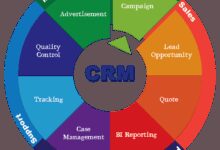
The ecosystem of CRM product based companies spans a wide range of functionalities. These include contact management, lead tracking, sales pipeline visualization, campaign management, and customer service ticketing systems. Platforms like Salesforce, HubSpot, and Zoho CRM are prime examples of products developed by such companies. They offer modular solutions that can be customized for industries ranging from retail to healthcare.
- Core modules include sales automation, marketing automation, and service support.
- Integration capabilities with ERP, e-commerce, and communication tools are standard.
- Deployment models vary from on-premise to SaaS (Software as a Service).
“CRM is no longer just a tool—it’s a strategic asset for sustainable growth.” — Gartner Research, 2023
Evolution of CRM Technology
The journey of CRM systems began in the 1980s with simple contact management databases. Over time, they evolved into comprehensive platforms powered by AI, machine learning, and predictive analytics. Today’s CRM product based companies are at the forefront of this transformation, offering real-time insights, sentiment analysis, and omnichannel engagement capabilities.
According to a report by Grand View Research, the global CRM market size was valued at USD 54.2 billion in 2022 and is expected to grow at a CAGR of 13.9% from 2023 to 2030. This growth is largely driven by digital transformation initiatives and the increasing demand for personalized customer experiences.
Key Characteristics of Successful CRM Product Based Companies
What sets top CRM product based companies apart? It’s not just about having a functional platform—it’s about delivering value, innovation, and reliability. The most successful players in this space share several key characteristics that enable them to maintain market leadership and customer loyalty.
Customer-Centric Product Design
Leading CRM product based companies prioritize user experience in every phase of development. They conduct extensive user research, usability testing, and feedback loops to ensure their platforms are intuitive and efficient. For example, HubSpot’s drag-and-drop interface and Salesforce’s Lightning Experience reflect a deep commitment to ease of use.
These companies often employ design thinking methodologies to empathize with end-users—whether they’re sales reps, marketers, or support agents. By focusing on pain points like data entry fatigue or fragmented communication channels, they create solutions that genuinely improve workflow efficiency.
- Adopt user personas and journey mapping during product development.
- Implement responsive UI/UX across desktop and mobile platforms.
- Offer role-based dashboards for different departments.
Scalability and Cloud-Native Architecture
One of the defining traits of modern CRM product based companies is their reliance on cloud-native infrastructure. This allows for seamless scalability, automatic updates, and global accessibility. Companies like Microsoft Dynamics 365 and Oracle CX leverage cloud platforms to deliver high availability and disaster recovery capabilities.
Cloud architecture also enables microservices-based design, where different CRM functions (e.g., email marketing, lead scoring) operate as independent services. This enhances flexibility, reduces downtime, and simplifies integration with third-party applications via APIs.
“Cloud CRM adoption has surged by 67% since 2020, driven by remote work and digital transformation.” — Statista, 2023
Top CRM Product Based Companies Shaping the Industry
The CRM landscape is dominated by a mix of established giants and agile innovators. These CRM product based companies not only define industry standards but also push the boundaries of what’s possible in customer engagement technology.
Salesforce: The Market Leader
Salesforce remains the undisputed leader among CRM product based companies, holding approximately 19.8% of the global CRM market share in 2023 (IDC). Its flagship platform, Salesforce Sales Cloud, offers robust features for lead management, opportunity tracking, and forecasting.
Beyond core CRM, Salesforce has expanded into AI with Einstein Analytics, marketing automation with Marketing Cloud, and service solutions via Service Cloud. Its AppExchange marketplace hosts over 5,000 third-party apps, making it a highly extensible ecosystem.
- Revenue exceeded $31 billion in fiscal year 2023.
- Over 150,000 customers worldwide, including Amazon and Toyota.
- Strong focus on sustainability and ethical AI use.
HubSpot: The Inbound Pioneer
HubSpot has carved a niche as a favorite among SMBs and startups. As a CRM product based company, it champions the inbound methodology—attracting customers through content, SEO, and social media rather than cold outreach.
Their free CRM tier has been instrumental in driving adoption, serving as a gateway to paid tools for marketing, sales, and customer service. HubSpot’s platform is known for its simplicity, all-in-one dashboard, and educational resources like the HubSpot Academy.
In 2023, HubSpot reported over 180,000 customers and a net revenue retention rate of 107%, indicating strong customer satisfaction and upsell potential (HubSpot Investor Relations).
“HubSpot proves that powerful CRM doesn’t have to be complicated.” — TechCrunch
How CRM Product Based Companies Drive Innovation
Innovation is the lifeblood of CRM product based companies. To stay competitive, they continuously invest in R&D, adopt emerging technologies, and respond to shifting customer expectations. This section explores the key drivers of innovation in the CRM space.
Artificial Intelligence and Predictive Analytics
AI is revolutionizing how CRM systems function. CRM product based companies are embedding AI to automate routine tasks, predict customer behavior, and recommend next-best actions. For instance, Salesforce Einstein can predict which leads are most likely to convert, while Zoho Zia assists users with natural language queries.
Predictive analytics helps sales teams prioritize high-value opportunities and enables marketers to segment audiences more effectively. These capabilities reduce guesswork and increase conversion rates across the board.
- AI-powered chatbots handle up to 80% of routine customer inquiries.
- Lead scoring algorithms improve sales efficiency by 40% on average.
- Natural language processing (NLP) enables sentiment analysis in customer communications.
Integration with Emerging Technologies
Modern CRM product based companies are integrating with cutting-edge technologies like IoT, blockchain, and augmented reality to enhance customer insights and engagement.
For example, IoT data from connected devices can feed into CRM systems to trigger service alerts or personalized offers. Blockchain ensures secure and transparent customer data transactions, especially in industries like finance and healthcare. While still in early stages, AR is being used for virtual product demos linked directly from CRM records.
According to a McKinsey report, companies that integrate CRM with advanced technologies see a 25% higher customer retention rate compared to those using standalone systems.
Challenges Faced by CRM Product Based Companies
Despite their success, CRM product based companies face significant challenges that can impact growth, customer trust, and operational efficiency. Understanding these hurdles is crucial for both vendors and buyers in the CRM ecosystem.
Data Privacy and Security Concerns
With increasing regulations like GDPR, CCPA, and HIPAA, CRM product based companies must ensure their platforms comply with strict data protection standards. A single data breach can erode customer trust and result in hefty fines.
These companies invest heavily in encryption, multi-factor authentication, and regular security audits. However, as cyber threats evolve, maintaining a secure environment remains an ongoing challenge.
- 68% of businesses cite data security as a top concern when choosing a CRM (Source: PwC).
- Zero-trust architecture is becoming a standard in enterprise CRM deployments.
- Regular compliance certifications (e.g., SOC 2, ISO 27001) are essential for credibility.
Market Saturation and Differentiation
The CRM market is crowded, with over 200 vendors offering similar functionalities. For CRM product based companies, standing out requires more than just feature parity—it demands unique value propositions.
Many companies differentiate through industry-specific solutions, superior customer support, or innovative pricing models. For example, Freshworks offers affordable, user-friendly CRM tools for mid-market businesses, while SAP focuses on complex enterprise needs with deep ERP integration.
“In a saturated market, the winner isn’t always the one with the most features—but the one with the best experience.” — Forrester Research
Implementation Strategies for CRM Product Based Companies
Success in the CRM space isn’t just about building a great product—it’s about ensuring customers can adopt and derive value from it. CRM product based companies employ various strategies to facilitate smooth implementation and maximize user adoption.
Phased Rollout and Onboarding Programs
Top CRM product based companies avoid overwhelming clients with full-scale deployments. Instead, they use phased rollouts—starting with core modules like contact management before expanding to marketing automation or analytics.
Comprehensive onboarding programs include training videos, live webinars, documentation, and dedicated customer success managers. Salesforce’s Trailhead platform, for example, offers gamified learning paths that help users master the system quickly.
- Companies with structured onboarding see 50% higher adoption rates.
- Interactive tutorials reduce time-to-competency by 30%.
- Customer success teams proactively monitor usage and intervene when needed.
Customization and API-First Approach
No two businesses are alike, so CRM product based companies emphasize customization. They provide robust APIs, SDKs, and low-code/no-code tools that allow clients to tailor the platform to their workflows.
An API-first approach ensures seamless integration with existing systems like email clients, calendars, e-commerce platforms, and legacy databases. This flexibility is critical for enterprises with complex IT landscapes.
For example, HubSpot’s Webhooks and Custom Code features enable developers to extend functionality without relying on core updates. Similarly, Microsoft Dynamics 365 integrates natively with Azure and Power Platform for advanced customization.
Future Trends in CRM Product Based Companies
The future of CRM product based companies is shaped by technological advancements, changing customer expectations, and evolving business models. Staying ahead requires foresight, agility, and a commitment to continuous innovation.
Hyper-Personalization Through AI
Personalization is moving beyond basic segmentation. CRM product based companies are now using AI to deliver hyper-personalized experiences in real time. This includes dynamic content, personalized pricing, and context-aware recommendations.
For instance, AI can analyze a customer’s browsing behavior, past purchases, and social media activity to suggest the most relevant product or service at the right moment. This level of personalization increases conversion rates and strengthens brand loyalty.
- 73% of consumers expect personalized interactions across channels (Source: Accenture).
- AI-driven personalization can boost revenue by 10–15% (McKinsey).
- Real-time decision engines are becoming standard in next-gen CRM platforms.
Vertical-Specific CRM Solutions
Generic CRM platforms are giving way to industry-specific solutions. CRM product based companies are developing tailored offerings for sectors like healthcare, real estate, education, and financial services.
For example, Veeva Systems offers CRM solutions specifically for life sciences, with compliance features for FDA regulations. Similarly, Propertyware provides CRM tools for property managers, including lease tracking and maintenance requests.
This trend allows companies to address niche pain points, reduce implementation time, and improve ROI for clients in specialized industries.
“The future of CRM isn’t one-size-fits-all—it’s built for the vertical.” — Salesforce CEO Marc Benioff
What are CRM product based companies?
CRM product based companies are businesses that develop and sell Customer Relationship Management software as their primary offering. Examples include Salesforce, HubSpot, and Zoho. These platforms help organizations manage customer interactions, automate sales processes, and improve marketing effectiveness.
How do CRM product based companies use AI?
CRM product based companies integrate AI to enhance lead scoring, automate customer service with chatbots, predict sales outcomes, and personalize marketing campaigns. AI also enables natural language processing for sentiment analysis and voice-based CRM interactions.
What are the biggest challenges for CRM product based companies?
Key challenges include ensuring data security and compliance, differentiating in a crowded market, managing customer expectations for personalization, and integrating with legacy systems. Scalability and user adoption are also critical concerns.
Which CRM product based company is the market leader?
Salesforce is the leading CRM product based company, holding nearly 20% of the global market share. It offers a comprehensive suite of cloud-based CRM tools and has a vast ecosystem of third-party integrations through AppExchange.
What future trends are shaping CRM product based companies?
Future trends include hyper-personalization using AI, vertical-specific CRM solutions, deeper integration with IoT and blockchain, and the rise of no-code customization platforms. Emphasis on ethical AI and data privacy will also grow.
CRM product based companies are at the heart of the digital transformation revolution. By combining powerful technology with customer-centric design, they empower businesses to build stronger relationships, drive revenue, and stay competitive. As AI, cloud computing, and vertical specialization continue to evolve, these companies will play an even greater role in shaping the future of customer engagement. The key to long-term success lies in innovation, security, and delivering measurable value to users worldwide.
Further Reading:
